The center channel carries most movie and TV dialogue, so choosing the right speaker can make voices easier to understand and sound more natural. The best three-way center channel speakers combine dedicated midrange and tweeter performance with the power handling needed for demanding home theater systems.
This roundup compares 10 options across premium, midrange, slim, and budget-friendly designs, including models from Klipsch, SVS, KEF, Polk Audio, and ELAC. Use the guide below to match speaker design, size, output, and system compatibility to your room.
Best 10 Three Way Center Channel Speakers Picks for 2026
Best for Detailed Dialogue
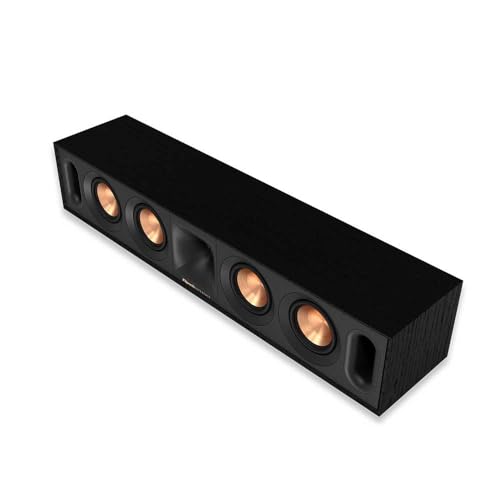
- 90° x 90° Tractrix horn
- LTS aluminum tweeter
- Compact modern cabinet
Best For: Dialogue-focused home theater setups
Best for High-Output Clarity

- True three-way crossover
- Dual 5.25-inch woofers
- Rear-ported cabinet
Best For: Dynamic, full-size home theater systems
Best for Wide-Area Listening

- 12th-generation Uni-Q array
- Dual 6.5-inch bass drivers
- MAT for cleaner sound
Best For: Cohesive sound across larger seating areas
Best Slim Design
Polk Audio Signature Elite ES35

- Six 3-inch woofers
- Slim shelf or wall placement
- Power Port bass technology
Best For: Space-conscious TV and home theater setups
Reference Clarity Pick
SVS Ultra Evolution 3-Way Center

- Vertically aligned tweeter-midrange array
- Diamond carbon-coated aluminum tweeter
- 225-watt maximum output; 5.1/7.1 compatible
Best For: Dedicated home theaters seeking precise dialogue and wide off-axis consistency
High-Sensitivity Value Pick
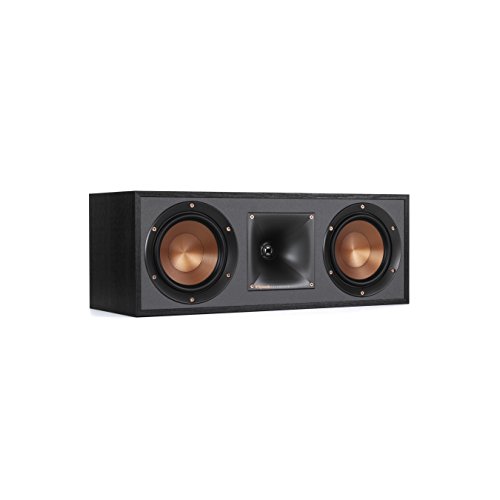
- Dual 5.25-inch spun-copper IMG woofers
- 90x90 Tractrix Horn with aluminum tweeter
- 95dB sensitivity and up to 400-watt handling
Best For: Efficient home theater setups with limited cabinet space
Premium Finish Pick
SVS Ultra Evolution Piano Gloss Center

- Time-aligned three-way cabinet geometry
- Organic-cell diffuser for wider off-axis response
- Piano gloss finish with five-year warranty
Best For: Premium media rooms needing refined imaging and a broad listening sweet spot
Reference-Level Dialogue

- Three-way driver design
- Concentric tweeter for off-axis clarity
- Walnut finish and dual flared port
Best For: Premium home theaters focused on detailed, evenly distributed dialogue
High-Output Theater Voice

- Quad 6.5-inch woofers
- Titanium compression driver with Tractrix horn
- 400-watt maximum output
Best For: Large rooms and powerful Klipsch-centered home-theater systems
Accessible Home Theater Upgrade
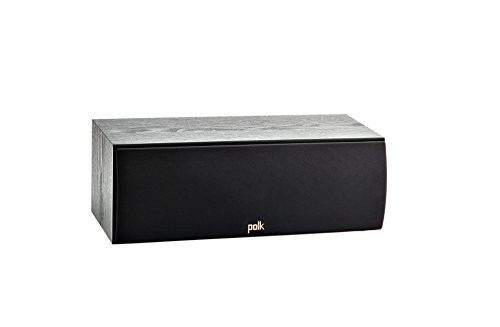
- Dual 5.25-inch woofers
- Simple shelf-mount setup
- Timbre matched to Polk T-Series
Best For: First home theaters and everyday movie, music, or gaming setups
Best for Detailed Dialogue – Klipsch R-30C
The Klipsch R-30C is a practical choice if you want three way center channel speakers with strong dialogue focus and a modern, low-profile design. Its 90° x 90° Tractrix horn, LTS aluminum tweeter, and tapered-array crossover are designed to improve clarity, dispersion, and high-frequency detail in a home theater.
Best For: Home theater viewers who prioritize crisp dialogue, wide dispersion, and easy tabletop placement.
Pros:
- 90° x 90° Tractrix horn helps control directivity across a broad frequency range.
- LTS aluminum tweeter is designed to reduce distortion and improve detail.
- Compact, polished cabinet includes hidden fasteners and a magnetic grille.
- 3.5-inch TCP woofers support a smoother, more accurate response.
Cons:
- Its 3.5-inch woofers are smaller than those in several larger center speakers.
- It is wired only, with no wireless communication technology.
The R-30C stands out for its emphasis on intelligible vocals and controlled dispersion. It is a sensible fit for a compact or style-conscious setup, though larger rooms or listeners seeking deeper bass may prefer a bigger three-way design.
Best for High-Output Clarity – SVS Prime Center
The SVS Prime Center is a strong option among three way center channel speakers for viewers who want clear dialogue with substantial output. Its true three-way crossover, 1-inch aluminum dome tweeter, and dual 5.25-inch woofers are designed to deliver smooth transitions, wide dispersion, and controlled performance at higher volumes.
Best For: Larger home theater systems and listeners who want revealing vocals, dynamic sound, and strong output.
Pros:
- True three-way crossover supports smooth transitions and phase-coherent imaging.
- Dual 5.25-inch woofers provide higher-output performance and fuller bass.
- Aluminum dome tweeter is designed for crisp, transparent highs.
- Rear-ported cabinet is tuned for enhanced bass output.
Cons:
- The 20-pound cabinet is heavier than slim center-channel alternatives.
- Its 12-inch depth may require careful shelf or console planning.
With its substantial drivers and carefully designed crossover, the Prime Center is built to anchor a front soundstage without losing vocal clarity. It is a particularly capable choice when your system and room can accommodate a larger cabinet.
Best for Wide-Area Listening – KEF Q6 Meta
The KEF Q6 Meta is a premium three way center channel speaker designed to keep dialogue clear while distributing sound evenly around the room. Its 12th-generation Uni-Q driver array, two 6.5-inch bass drivers, and Metamaterial Absorption Technology target a cohesive, detailed presentation for movies, music, and games.
Best For: Home theaters where multiple listeners need consistent dialogue and an expansive soundstage.
Pros:
- Uni-Q driver array acts as a point source for more even room coverage.
- Two 6.5-inch hybrid aluminum bass drivers support punchy, controlled low-end.
- MAT is designed to absorb 99% of unwanted sound behind the driver.
- Can serve as a center speaker or as part of an LCR arrangement.
Cons:
- The 31.1-pound cabinet is heavy and needs a sturdy support surface.
- Its 4-ohm impedance may require an appropriate compatible amplifier or receiver.
- The cabinet is relatively tall for some TV stands.
The Q6 Meta combines a large three-way layout with KEF’s point-source approach, making it appealing for both focused dialogue and broad listening coverage. Its size, weight, and 4-ohm load should be checked against your furniture and electronics before buying.
Best Slim Design – Polk Audio Signature Elite ES35
The Polk Audio Signature Elite ES35 is a slim alternative for shoppers seeking three way center channel speakers without a bulky cabinet. Its six 3-inch woofers, 1-inch Terylene tweeter, cascading crossovers, and Power Port technology are designed to provide clear, room-filling sound while supporting shelf or wall placement.
Best For: Space-conscious TV setups, wall-mounted installations, and home theater systems needing flexible placement.
Pros:
- Slim profile is suited to shelf, stand, or wall-mounted placement.
- Six 3-inch woofers create a broad driver array for center-channel coverage.
- Power Port technology is designed to improve bass impact and reduce distortion.
- Compatible with both 4- and 8-ohm systems according to the supplied specifications.
Cons:
- Its smaller woofers may not provide the same scale as larger three-way models.
- The 6.4 kg cabinet is still substantial for some wall-mount applications.
- Placement hardware or stand is sold separately.
The ES35 prioritizes installation flexibility and a low-profile appearance while retaining a multi-driver center-channel design. It is a compelling fit when cabinet space or screen clearance matters more than the largest possible enclosure.
Reference Clarity Pick – SVS Ultra Evolution 3-Way Center
The SVS Ultra Evolution is a premium three way center channel speaker designed for home theaters that demand precise dialogue, wide off-axis consistency, and powerful dynamics. Its vertically aligned tweeter-midrange array and substantial 6.5-inch woofer support a coherent, full-range presentation.
Best For: Dedicated home theaters and listeners prioritizing transparent dialogue, imaging, and effortless bass.
Pros:
- Vertically aligned tweeter-midrange array helps maintain consistent on- and off-axis response.
- Diamond carbon-coated aluminum tweeter is engineered for detailed highs, linearity, and fast transient response.
- FEA-optimized cabinet construction, bracing, and insulation help reduce resonances.
- Rated for up to 225 watts and compatible with 5.1 and 7.1 systems.
Cons:
- Its 22-inch width and 8.2-inch height require substantial shelf or console space.
- Wired tabletop placement may require careful system and cable planning.
This is the strongest choice of the three for buyers who want a technically ambitious center speaker and have room for its larger cabinet. Its premium construction and driver alignment are especially useful when seating is spread across the room.
High-Sensitivity Value Pick – Klipsch R-52C Center Speaker
The Klipsch R-52C is a practical three way center channel speaker alternative for home theater systems that benefit from high sensitivity and an energetic presentation. It pairs dual 5.25-inch spun-copper IMG woofers with a horn-loaded aluminum tweeter in a more compact cabinet.
Best For: Home theater buyers who want efficient, detailed center-channel output in a relatively compact enclosure.
Pros:
- Dual 5.25-inch woofers support clear, forceful dialogue and effects.
- 90×90 Tractrix Horn and aluminum tweeter contribute to a detailed presentation.
- 95dB sensitivity makes it an efficient match for many home theater receivers.
- Handles up to 400 watts according to the supplied specifications.
Cons:
- Its listed 89Hz-21kHz frequency response does not extend as low as the SVS models.
- The product is specified as a 2-way design, so it may not suit shoppers specifically requiring a true three-way layout.
- Bluetooth and wireless details in the listing may be less relevant for a conventional wired center-channel setup.
The R-52C is the sensible option when efficiency and a smaller footprint matter more than flagship refinement. However, shoppers specifically searching for three way center channel speakers should note the supplied listing identifies this model as two-way.
Premium Finish Pick – SVS Ultra Evolution Piano Gloss Center
The SVS Ultra Evolution Center in Piano Gloss Black combines a flagship three-way design with a polished finish suited to high-end media rooms. Time-aligned cabinet geometry, a diamond-coated aluminum tweeter, and an organic-cell diffuser are designed to preserve phase coherence and expand the listening sweet spot.
Best For: Premium home theaters where refined imaging, broad seating coverage, and a piano-gloss cabinet are priorities.
Pros:
- Time-aligned tweeter and midrange improve phase coherence and imaging.
- Organic-cell tweeter diffuser is designed to improve off-axis response and enlarge the sweet spot.
- Uncompromising three-way crossover supports smooth driver integration.
- Includes a five-year unconditional warranty and magnetic grille.
Cons:
- The 22.05-inch-wide cabinet needs a suitably deep and wide tabletop or console.
- Piano gloss surfaces may require more care to keep looking pristine.
- Its premium design is likely excessive for smaller or casual systems.
This model is a strong fit for listeners who want the benefits of a true three-way center with a particularly broad sweet spot and a more furniture-like finish. Choose it when seating position and visual presentation matter as much as dialogue clarity.
Reference-Level Dialogue – ELAC Uni-Fi Reference UCR52
The ELAC Uni-Fi Reference UCR52 is a premium three way center channel speaker designed to separate tweeter, midrange, and bass duties. Its concentric tweeter, cast-chassis woofers, and dual flared slot port make it a strong choice for detailed dialogue and balanced home-theater sound.
Best For: Home theaters where clear off-axis dialogue, refined styling, and controlled bass are priorities.
Pros:
- Three-way design separates frequency bands for accurate reproduction.
- Concentric tweeter supports improved imaging and off-axis listening.
- Dual flared slot port helps reduce port noise and increase bass output.
- Walnut sides and a painted front baffle provide a premium finish.
Cons:
- At about 30 pounds, it requires a sturdy shelf or stand.
- Its premium construction may be more speaker than a basic system needs.
The UCR52 is a compelling pick when vocal clarity and wide-seat consistency matter more than compact size. Its three-way architecture and substantial enclosure make it especially well suited to a carefully built home-theater system.
High-Output Theater Voice – Klipsch RC-64 III
The Klipsch RC-64 III is a large, high-output center channel speaker for listeners who want an assertive front stage. Its titanium compression driver, Tractrix horn, quad 6.5-inch woofers, and 2 1/2-way crossover are built for powerful home-theater performance.
Best For: Large home-theater rooms and systems that need a dynamic, high-output center speaker.
Pros:
- Quad 6.5-inch cast-basket Cerametallic woofers support substantial output.
- Titanium compression driver and 90-by-90 Tractrix horn focus on detailed projection.
- 400-watt maximum output rating suits demanding theater setups.
- Furniture-grade wood veneers add a refined appearance.
Cons:
- Its 55-pound weight and large cabinet require substantial placement space.
- The 2 1/2-way design is not a fully separated three-way layout.
- It uses a wired connection and is not designed for wireless communication.
The RC-64 III is aimed at scale and impact rather than compact convenience. Choose it when your receiver, room, and supporting speakers can accommodate a large center channel with strong output capability.
Accessible Home Theater Upgrade – Polk Audio T30
The Polk Audio T30 is an approachable center channel speaker for a first home theater or a straightforward TV audio upgrade. Its dual 5.25-inch woofers, 1-inch silk dome tweeter, and tuned rear port are intended to improve dialogue clarity while adding balanced bass.
Best For: Entry-level home theaters, TV setups, movies, music, and gaming.
Pros:
- Dual 5.25-inch woofers and a 1-inch tweeter support full-range sound.
- Timbre matching with Polk T-Series speakers helps system integration.
- Tuned rear port contributes to punchy bass.
- Shelf-mount design and wired setup keep installation simple.
Cons:
- Its 100-watt maximum output is more modest than larger premium models.
- The listed frequency response begins at 24,000 Hz, offering less published low-frequency detail than some alternatives.
- A rear port requires some care when positioning close to a wall.
The T30 is a practical value choice for building a balanced Polk-based system without complicated installation. It makes the most sense for everyday rooms where clear voices and easy setup matter more than extreme output.
How We Picked the Best Three Way Center Channel Speakers
We selected models based on dialogue clarity, driver configuration, cabinet design, output capability, placement flexibility, and overall system compatibility. A strong center speaker should reproduce speech cleanly while blending naturally with the left and right channels. We also included varied sizes and price tiers because the best choice depends on your room, listening distance, amplifier, and front-stage setup.
Some selections use a classic three-way layout with a dedicated midrange driver, while others prioritize slim dimensions or a more compact cabinet. Those differences matter when matching a speaker to an existing system or a television stand.
Quick Comparison
| Best For | What to Prioritize |
|---|---|
| Large home theaters | High sensitivity, power handling, and wide dispersion |
| Critical movie and music listening | Dedicated midrange, controlled treble, and neutral voicing |
| TV stands or narrow spaces | Low-profile cabinet and suitable vertical clearance |
| Budget upgrades | Clear dialogue, easy amplification, and value |
Key Buying Factors for Three-Way Center Channel Speakers
Driver Layout and Dialogue Clarity
A true three-way design typically separates low frequencies, midrange, and high frequencies across dedicated drivers. This can improve vocal detail and reduce strain, particularly at higher volume. However, driver quality, crossover design, and cabinet tuning are just as important as the driver count.
Size, Placement, and Dispersion
Measure the available width, depth, and height before buying. A large speaker may deliver greater scale but can block the bottom of a television. Check whether the cabinet can sit on a shelf, stand, or wall mount, and angle it toward ear level when possible. Wide dispersion is especially useful when several people sit off-center.
Sensitivity, Power, and Matching
Match the speaker’s sensitivity and impedance requirements to your AV receiver or power amplifier. Higher-sensitivity models can reach theater-like levels with less power, while larger rooms may benefit from stronger amplification. For the most seamless front soundstage, choose a center with a similar tonal character to your left and right speakers.
Low-Frequency Extension
The subwoofer handles the deepest bass in most home theater systems, so prioritize clean vocal and midbass performance over headline bass numbers. Confirm that your receiver can use an appropriate crossover, commonly around the 80 Hz range depending on the speaker and room.
Who Should Buy Which Three Way Center Channel Speakers?
Choose a high-output, larger cabinet for a dedicated theater, wide seating area, or louder viewing habits. Premium three-way center channel speakers are worthwhile when you want precise dialogue, broad seating coverage, and a coherent match for quality front speakers.
A slim model is the practical choice for a low TV stand or wall-mounted display, provided its output and dispersion suit the room. Compact or budget models make sense for bedrooms, apartments, and entry-level surround systems. Before ordering, verify dimensions, impedance, receiver power, and the manufacturer’s recommended placement so the speaker fits both your room and your existing system.