A strong center speaker makes movie dialogue easier to follow and keeps voices anchored to the screen. You do not need to spend flagship money to get a meaningful upgrade.
We compared 10 affordable models for dialogue clarity, cabinet size, matching options, and home-theater compatibility so you can choose with confidence.
Best 10 Center Channel Speakers Under 300 Picks for 2026
High-Sensitivity Dialogue Pick
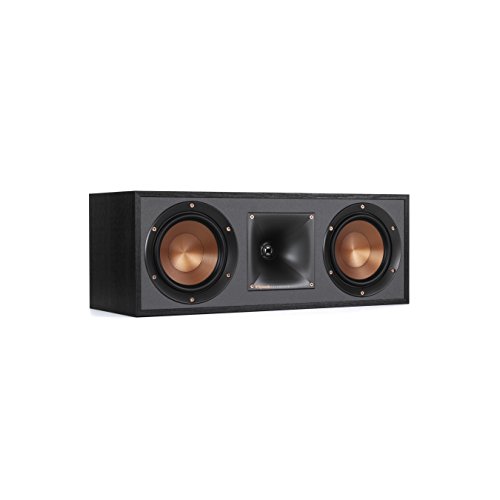
- Dual 5.25-inch spun-copper IMG woofers
- Horn-loaded aluminum tweeter
- 95dB sensitivity with up to 400W handling
Best For: Dynamic, dialogue-focused home theater systems
Wide-Range Value Option

- Dual 6.5-inch poly-graphite woofers
- 8-ohm impedance and 10–175W recommendation
- Slim-profile, video-shielded 3-driver design
Best For: Larger media consoles and flexible receiver matching
Dialogue-Centered Classic

- Designed for crisp dialogue and precise imaging
- Dual 5.25-inch woofers
- 8-ohm wired center-channel speaker
Best For: Dialogue-focused home theater setups with ample shelf width
Refined Cabinet Design

- Dual 5.25-inch aramid-fiber woofers
- 1-inch cloth-dome tweeter with waveguide
- Front-firing ports and braced MDF cabinet
Best For: Shelf-based theaters needing placement flexibility
Compact TV Upgrade
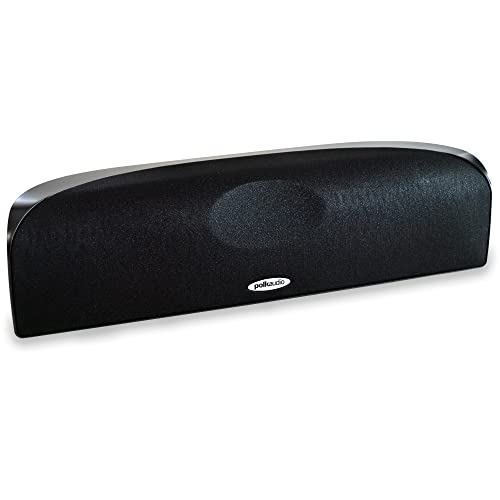
- Slim, wall- or shelf-mountable design
- Time Lens technology for imaging
- Gloss-black finish for modern TVs
Best For: Compact TV and home theater setups
High-Output Home Theater Choice

- Dual 5-1/4-inch woofers and 1-inch tweeter
- Rear port for deeper bass
- Reversible design for below-TV placement
Best For: Larger rooms and Polk Monitor-series systems
Best Value Compact Pick

- Compact 2-way bass-reflex design
- Fast-response aluminum-cone woofers
- Includes 4-meter speaker cable
Best For: Small home theater setups and budget-focused buyers
Best for Room-Filling Dialogue
Polk Audio Signature Elite ES30

- Dual 5.25-inch woofers
- Power Port bass technology
- 4- and 8-ohm compatibility
Best For: Larger home theater rooms and Polk Signature Elite systems
Best Bass-Enhanced Design
Definitive Technology Dymension DM10

- Built-in 9-inch passive radiator
- Dual 5.25-inch midrange woofers
- Timbre-matched Dymension design
Best For: Dymension home theater systems and movie-focused listening
High-Sensitivity Dialogue Pick – Klipsch R-52C
For shoppers comparing center channel speakers under 300, the Klipsch R-52C stands out with high sensitivity, dual 5.25-inch spun-copper IMG woofers, and a horn-loaded aluminum tweeter. Its 95dB sensitivity can help produce dynamic dialogue and sound without demanding excessive amplifier power.
Best For: Home theater systems prioritizing clear, energetic dialogue and efficient performance.
Pros:
- Dual 5.25-inch spun-copper IMG woofers support detailed midrange and dialogue.
- 90×90 Tractrix Horn and aluminum tweeter deliver focused high-frequency detail.
- 95dB sensitivity and up to 400 watts of stated power handling suit dynamic home theater use.
- Compact 18.75-inch width is practical for many media consoles.
Cons:
- Its 89Hz low-end specification means a subwoofer may be useful for deeper effects.
- The speaker is wired and does not offer wireless center-channel connectivity.
The R-52C is a strong fit when efficiency and lively dialogue matter most. Its horn-loaded design and high sensitivity make it an appealing choice among center channel speakers under 300, especially for receivers with modest power reserves.
Wide-Range Value Option – BIC America DV-62CLRS
The BIC America DV-62CLRS is a practical contender among center channel speakers under 300, pairing dual 6.5-inch poly-graphite woofers with a soft-dome tweeter. Its 8-ohm impedance and recommended 10-to-175-watt amplifier range make it straightforward to match with many home theater receivers.
Best For: Buyers wanting a larger, slim-profile center speaker with broad stated frequency response.
Pros:
- Dual 6.5-inch woofers provide substantial driver area for center-channel duties.
- 38Hz to 20kHz stated frequency response covers dialogue and much of the soundtrack.
- Video-shielded, 3-driver, 2-way design is intended for home theater placement.
- Black laminate finish and shelf-mount format suit conventional media consoles.
Cons:
- At 20 inches wide and 10 inches deep, it needs more shelf space than compact alternatives.
- Its 19.3-pound weight may make placement and repositioning less convenient.
- The supplied notes list both a seven-year warranty claim and a 90-day warranty description, so warranty terms should be verified.
The DV-62CLRS emphasizes driver size and flexibility rather than minimal dimensions. It is worth considering if your console can accommodate its deeper cabinet and you want a center speaker rated for a wide range of amplifier power.
Dialogue-Centered Classic – Klipsch R-25C
Designed around the importance of the center channel, the Klipsch R-25C focuses on crisp dialogue and precise imaging. For shoppers seeking center channel speakers under 300, its dual 5.25-inch driver configuration and 8-ohm impedance offer a familiar home theater format for compatible wired systems.
Best For: Home theater buyers who want a Klipsch center speaker focused on dialogue clarity and imaging.
Pros:
- Built specifically for center-channel use, with an emphasis on dialogue and imaging.
- Dual 5.25-inch woofers support the vocal and midrange presentation.
- 8-ohm impedance provides a conventional receiver-matching target.
- 22-inch width can provide a broad front-stage presence when space allows.
Cons:
- The 22-inch-wide cabinet requires a generously sized shelf or stand.
- The supplied specifications provide inconsistent frequency-response information, so exact bass and treble limits should be confirmed.
- It is a wired speaker rather than a wireless center-channel solution.
The R-25C is a sensible choice when dialogue is the main priority and your entertainment center has room for its wider enclosure. Verify dimensions and current specifications before purchase, particularly if it will sit beneath a television.
Refined Cabinet Design – ELAC Debut 2.0 C5.2
The ELAC Debut 2.0 C5.2 combines dual 5.25-inch aramid-fiber woofers with a 1-inch cloth-dome tweeter and a waveguide. Among center channel speakers under 300, it is notable for its braced MDF cabinet and front-firing ports, which make placement more forgiving near walls or inside shelving.
Best For: Home theater listeners who value controlled cabinet construction, smooth highs, and flexible placement.
Pros:
- Aramid-fiber woofers are designed for stiffness and damping with extended low-frequency response.
- Cloth-dome tweeter and waveguide support broad, controlled high-frequency performance.
- Front-firing ports help accommodate placement near walls or in bookshelves.
- Optimized sensitivity and impedance are intended to reduce demands on lower-cost AV receivers.
Cons:
- At 21.3 inches wide and 8.7 inches deep, it needs a suitably sized shelf.
- Its 18.3-pound weight may require a sturdy media-console surface.
- The speaker is wired and does not include wireless connectivity.
The Debut 2.0 C5.2 is a well-rounded option for buyers who want placement flexibility and a more heavily engineered cabinet. Its driver materials and front-ported enclosure make it a particularly practical pick for a TV console or shelf-based theater.
Compact TV Upgrade – Polk Audio Blackstone TL1
If you need center channel speakers under 300 for a compact flat-panel TV setup, the Polk Audio Blackstone TL1 is an easy-to-place option. Its slim 15-inch-wide, 3.5-inch-deep enclosure combines a 1/2-inch silk dome tweeter with dual 2-1/2-inch mids/woofers, while the curved, gloss-black cabinet complements modern displays.
Best For: Small home theater spaces, TV-focused systems, and listeners who want shelf or wall-mount flexibility.
Pros:
- Time Lens technology is designed to improve soundstaging and imaging.
- Compact enclosure is suitable for shelf or wall mounting.
- Gloss-black finish pairs neatly with flat-panel TVs.
- Includes a detachable black cloth grille and a five-year warranty.
Cons:
- Its 2-1/2-inch drivers prioritize compact placement over larger-room output.
- It is a wired, single-channel speaker with no wireless communication.
The TL1 makes the most sense when cabinet space and visual coordination matter as much as center-channel clarity. Consider a larger model if your room demands more substantial bass or output.
Balanced Budget Pick – Micca MB42X-C Center Speaker
Among center channel speakers under 300, the Micca MB42X-C stands out for its balanced two-way design and compact footprint. A woven carbon fiber woofer, silk dome tweeter, ported enclosure, and optimized 18dB crossover are intended to deliver clear, dynamic sound for home theater and music.
Best For: Budget-conscious home theater builders who want a compact speaker that can also handle music playback.
Pros:
- Woven carbon fiber woofer supports impactful bass and transient detail.
- Silk dome tweeter is designed for smooth treble and accurate imaging.
- Ported cabinet provides extended bass response with low distortion.
- Compact styling is easy to place and blend with room decor.
Cons:
- It requires a wired amplifier or home theater connection.
- The one-year warranty is shorter than those offered by the Polk options here.
- Its bookshelf-style design may require more placement space than an ultra-slim center speaker.
The MB42X-C is a flexible value choice when you want a center speaker for dialogue, movies, and music without a bulky appearance. Its ported cabinet and conventional wired design make it best suited to a standard amplifier-based system.
High-Output Home Theater Choice – Polk Audio CS1 Series II
For shoppers comparing center channel speakers under 300, the Polk Audio CS1 Series II is the substantial option in this group. It uses two 5-1/4-inch Dynamic Balance woofers, a 1-inch tweeter, and a rear port to support detailed highs, accurate reproduction, and deeper bass in a home theater system.
Best For: Larger rooms, movie-focused systems, and Polk Monitor-series owners seeking a timbre-matched center channel.
Pros:
- Dual 5-1/4-inch woofers provide more substantial driver area than compact alternatives.
- Rear port is designed to deliver powerful, deep bass.
- Reversible cabinet can aim sound upward when positioned below ear level.
- Designed to pair with Polk Monitor 60 or 70 towers and Monitor 40 bookshelf speakers.
Cons:
- Its 18-inch width and 13-pound weight require more shelf space.
- It is intended for shelf mounting rather than wall mounting.
- The larger cabinet may be less discreet beneath a slim TV.
The CS1 Series II is the strongest fit here if you value fuller center-channel presence and have room for a larger cabinet. Its reversible design adds useful placement flexibility, especially when the speaker sits below the listening position.
Best Value Compact Pick – Yamaha NS-C210BL
For shoppers comparing center channel speakers under 300, the Yamaha NS-C210BL is a compact, straightforward option for improving dialogue and front-channel detail in a home entertainment setup. Its aluminum-cone woofers and balanced dome tweeter are designed for quick response, while the tabletop-friendly cabinet fits neatly beneath or near a television.
Best For: Budget-conscious buyers who want a compact wired center speaker for movies, music, and 5.1 home theater systems.
Pros:
- Lightweight aluminum-cone woofers are designed for fast response.
- Compact 13.4-inch-wide cabinet suits smaller media spaces.
- Includes a 4-meter speaker cable and Yamaha warranty.
Cons:
- 80-watt maximum output is more modest than larger alternatives.
- Uses a two-way design with smaller 4-inch woofers.
- Wired connectivity requires a compatible receiver or amplifier.
The NS-C210BL makes the most sense when space and price matter more than deep bass or high output. It is a practical entry-level match for a compact television-based system.
Best for Room-Filling Dialogue – Polk Audio Signature Elite ES30
Among center channel speakers under 300, the Polk Audio Signature Elite ES30 stands out for buyers who want a larger cabinet and fuller front-channel presentation. Its dual 5.25-inch woofers, 1-inch Terylene tweeter, and Power Port technology are designed to deliver clear vocals with impactful bass for movies and surround sound.
Best For: Medium-to-large home theater systems that need a powerful, timbre-matched center speaker.
Pros:
- Dual 5.25-inch woofers support room-filling sound.
- Power Port technology is designed to increase bass impact.
- Compatible with 4- and 8-ohm home audio systems.
- Five-year warranty provides long-term coverage.
Cons:
- Large 20-inch-wide cabinet needs substantial shelf or stand space.
- At 19 pounds, it is less convenient to reposition.
- Sold as a single center speaker rather than a complete system.
The ES30 is a strong choice when dialogue presence and output take priority over a discreet footprint. Its size also makes it a natural fit for a broader Polk Signature Elite system.
Best Bass-Enhanced Design – Definitive Technology Dymension DM10
For shoppers seeking center channel speakers under 300 with added low-end support, the Definitive Technology Dymension DM10 combines two 5.25-inch midrange woofers with a built-in 9-inch passive bass radiator. It is designed to keep dialogue clear while adding weight to movie effects, music, and gaming audio.
Best For: Buyers building a Definitive Technology Dymension system who want a slim, bass-enhanced center channel.
Pros:
- Integrated 9-inch passive radiator enhances bass impact.
- Two 5.25-inch woofers and a 1-inch tweeter support clear, immersive sound.
- Timbre-matched for integration with other Dymension speakers.
- Acoustically transparent black cloth grille offers a discreet appearance.
Cons:
- Designed primarily as a component within the Dymension series.
- At 19.5 inches wide and 7.3 inches high, it requires ample shelf space.
- The supplied specifications list a 57Hz frequency response, so a subwoofer may still be useful for deeper bass.
The DM10 is appealing when you want stronger bass presence without adding a separate bass enclosure to the center channel. Its best results should come from a compatible Dymension-based surround system.
How We Picked the Best Center Channel Speakers Under 300
We focused on the factors that matter most in a home theater: clear vocal reproduction, intelligible dialogue at moderate and high volume, useful dispersion across the seating area, and compatibility with common AV receivers. We also considered cabinet dimensions, driver configuration, sensitivity, bass-reflex or passive-radiator designs, and the availability of matching speakers in each product family.
Price matters, but it is not the only measure of value. A compact speaker may suit a small entertainment center, while a larger model can provide more authority and smoother output in a bigger room. Because these are passive speakers, your receiver or amplifier still needs to provide suitable power and impedance support.
Quick Comparison
For a lively, forward presentation, Klipsch models are worth considering. ELAC, Polk, and Definitive Technology offer larger designs aimed at fuller, more composed theater sound. Micca and Yamaha provide compact alternatives for smaller setups, while BIC America emphasizes a wider, substantial cabinet design.
Before choosing, confirm the speaker’s width, height, and depth against your media console or wall shelf. Also check whether the front port, rear port, or passive radiator will have enough clearance to operate properly.
Key Buying Factors for Center Channel Speakers Under 300
Dialogue Clarity and Tonal Balance
The center handles most movie and television dialogue, so prioritize a clean midrange and controlled treble over exaggerated bass. A speaker that sounds bright in a showroom may become tiring during long viewing sessions.
Size and Placement
Measure the available space before buying. Place the speaker as close to the display as possible, ideally centered below or above it, with the tweeter aimed toward ear level. Avoid blocking the screen or allowing a shelf to resonate.
System Matching
Using a center from the same series as your left and right speakers can make pans and dialogue transitions sound more seamless. If you are mixing brands, use your receiver’s calibration system and match the center’s tonal character as closely as possible.
Power, Sensitivity, and Impedance
Check the manufacturer’s impedance and sensitivity specifications against your AV receiver. Higher sensitivity can produce more volume with less amplifier power, but proper calibration remains important. Set the crossover according to the speaker’s low-frequency capability rather than forcing it to reproduce deep bass.
Who Should Buy Which Center Channel Speakers Under 300?
Choose a compact model such as the Micca or Yamaha if you have limited shelf space or a modest room. Consider Klipsch if you prefer dynamic impact and an energetic presentation. ELAC, Polk, BIC America, and Definitive Technology are better suited to listeners seeking a fuller, more substantial center-channel sound and have enough room for a larger cabinet.
Ultimately, the best option is the one that fits your space, matches your existing front speakers, and keeps voices clear at your normal listening volume. A properly placed and calibrated center channel can improve everyday viewing more than simply buying the largest model available.