Finding the best center channel speakers for TV stands means balancing clear dialogue, cabinet space, speaker height, and compatibility with your existing home theater system.
This roundup includes compact center speakers, low-profile stands, and mounting hardware for setups where every inch matters. Use the guide below to narrow the options by room, receiver, and placement needs.
Best 10 Center Channel Speakers for TV Stands Picks for 2026
Best Slim Center Channel

- Slim 4-inch-tall cabinet
- Four 3-inch woofers
- Dolby Atmos and DTS:X compatible
Best For: Low-clearance TV stands and Polk home theaters
Best Compact Sony Match

- 16.93-inch-wide cabinet
- Two 3.94-inch woofers
- Bass-reflex enclosure
Best For: Small TV stands and Sony AV receiver setups
Best Speaker Stand

- 12-degree upward tilt
- Foam vibration isolation
- Fits 16–36-inch-wide speakers
Best For: Angling and stabilizing a center speaker on a TV stand
Best Budget-Size Center Speaker
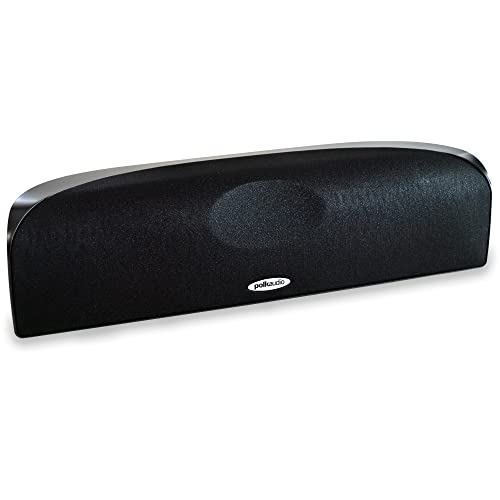
- Compact 15-inch width
- Curved high-gloss finish
- Shelf- or wall-mountable
Best For: Small TV stands and compact Polk home theaters
Stable Speaker Placement

- 75-pound load capacity
- Rubberized isolation pads
- Adjustable spikes and fillable columns
Best For: Elevating center or bookshelf speakers
Clear TV Dialogue
Polk Audio T30 Center Channel Speaker
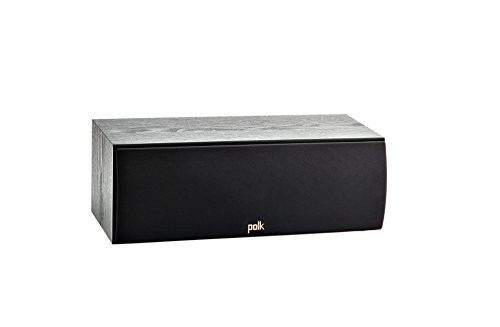
- Dual 5.25-inch woofers
- 1-inch silk dome tweeter
- Shelf-mount wired design
Best For: Home theater dialogue, movies, and gaming
Flexible Wall Positioning
WALI Center Channel Speaker Mount

- Fits speakers and most soundbars
- 7- to 11.5-inch arm adjustment
- Supports up to 30 pounds
Best For: Wall-mounting a center speaker near the TV
Best Angled Stand for Larger Speakers

- Supports speakers up to 32 pounds
- 16-degree upward tilt
- Foam padding helps reduce resonance
Best For: Larger center speakers and soundbars
Best Dedicated Center Speaker

- Two-way bass-reflex design
- Light aluminum-cone woofers
- Compact tabletop cabinet
Best For: Wired home-theater TV-stand setups
Best Universal Low-Profile Stand

- Fits 16- to 36-inch-wide speakers
- 12-degree upward tilt
- Pre-assembled steel design
Best For: Standard-size speakers and soundbars
Best Slim Center Channel – Polk Monitor XT35
If you need center channel speakers for TV stands without blocking the screen or IR sensor, the Polk Monitor XT35 is a strong fit. Its 24-inch-wide, 4-inch-tall profile combines a 1-inch Terylene tweeter with four 3-inch woofers for focused dialogue and fuller home-theater sound.
Best For: TV stands where a slim, wide center speaker is preferred.
Pros:
- Low-profile design helps avoid blocking the TV or IR sensor.
- Four woofers support an open midrange and impactful bass.
- Compatible with Dolby Atmos and DTS:X systems.
- Can be shelf-mounted or wall-mounted.
Cons:
- Its 24-inch width may exceed the space available on smaller TV stands.
- Requires a wired amplifier connection.
The XT35 is particularly practical when stand clearance is limited. Its slim enclosure and flexible mounting options make it an adaptable choice for a Polk-based surround setup.
Best Compact Sony Match – Sony SS-CS8M2
The Sony SS-CS8M2 is a compact option for center channel speakers for TV stands, with a 16.93-inch width and tabletop mounting design. Its two 3.94-inch woofers, high-precision tweeter, and bass-reflex enclosure are intended to support clear vocals and controlled low-frequency sound.
Best For: Smaller TV stands and Sony-based home theater systems.
Pros:
- Compact footprint suits small spaces.
- Two woofers help reinforce low-end frequencies.
- High-precision tweeter is designed for faithful vocal reproduction.
- Designed to pair with Sony AV receivers.
Cons:
- Its 5.75-inch height may require adequate clearance below the TV.
- Uses a 6-ohm impedance, so receiver compatibility should be checked.
For shoppers who want a straightforward tabletop center speaker, the SS-CS8M2 offers a compact cabinet and a conventional 2-way, 3-driver layout. It makes the most sense when matched with compatible Sony equipment.
Best Speaker Stand – Kanto S10 Angled Stand
The Kanto S10 is a speaker stand rather than a center speaker, but it can improve the placement of center channel speakers for TV stands. Its 12-degree upward tilt aims the speaker toward the listener, while foam padding helps decouple it from the furniture surface and reduce transmitted vibration.
Best For: Raising and angling compatible center speakers or sound bars on a TV stand.
Pros:
- 12-degree tilt can improve on-axis listening.
- Foam padding helps reduce rattling and furniture vibration.
- Low profile allows a lower TV placement than pedestal-style stands.
- Fits speakers or sound bars 5.5 to 6.9 inches deep and 16 to 36 inches wide.
Cons:
- It does not produce sound on its own.
- Compatibility depends on the speaker’s dimensions and the 19-pound load limit.
If your existing center speaker sounds muffled or sits too flat on the stand, the S10 offers a simple positioning upgrade. It arrives assembled and provides a universal platform for appropriately sized speakers.
Best Budget-Size Center Speaker – Polk Blackstone TL1
The Polk Blackstone TL1 is a compact center speaker for TV stands, measuring 15 inches wide and 4 inches high. Its curved, high-gloss enclosure is designed to complement flat-panel TVs, while a silk-dome tweeter and dual 2.5-inch mid/woofers support dialogue and home-theater playback.
Best For: Smaller TV stands needing a compact, stylish center-channel speaker.
Pros:
- Compact 15-inch-wide design fits many TV stands.
- Curved high-gloss finish complements flat-panel televisions.
- Time Lens technology is designed to improve soundstaging and imaging.
- Supports shelf or wall mounting.
Cons:
- Its smaller dual 2.5-inch drivers may offer less low-end scale than larger center speakers.
- It is a wired speaker with no wireless communication.
The TL1 is a sensible space-conscious choice when appearance and compact dimensions matter. Its mounting flexibility also helps if shelf placement is not practical, though larger rooms may benefit from a more substantial center speaker.
Stable Speaker Placement – Monolith 18in Speaker Stand
For center channel speakers for TV stands, the Monolith 18in Speaker Stand offers a dedicated alternative to placing a speaker directly on furniture. Its rigid steel construction, protective top pads, and adjustable positioning features help create a stable, properly aligned platform.
Best For: Center or bookshelf speakers that need a sturdy elevated platform beside or near a TV stand.
Pros:
- Supports up to 75 pounds with four steel support columns.
- Soft rubberized top pads help protect and isolate the speaker.
- Hollow columns can be filled with sand or steel shot for added damping.
- Adjustable floor spikes and an 18-inch height support stable positioning.
Cons:
- It is a speaker stand rather than a wall-mounting solution.
- Filling the columns adds an extra setup step.
- Its 18-inch height may not suit every TV stand arrangement.
The Monolith is a practical choice when stability and speaker isolation matter more than keeping the speaker on the TV furniture itself. Its generous load capacity also leaves room for larger center-channel models.
Clear TV Dialogue – Polk Audio T30 Center Channel Speaker
Among center channel speakers for TV stands, the Polk Audio T30 is built to make dialogue and vocals easier to hear in home theater setups. Its dual 5.25-inch woofers and 1-inch silk dome tweeter provide full-range sound, while the shelf-mount design fits directly into an entertainment setup.
Best For: TV, movie, music, and gaming systems that need a dedicated wired center channel speaker.
Pros:
- Dual 5.25-inch woofers and a 1-inch tweeter support clear, full-range sound.
- Tuned rear port contributes to punchy bass and balanced output.
- Shelf-mount design works with compatible TV and home theater arrangements.
- Connects to an AV receiver with speaker wire for straightforward setup.
Cons:
- It requires a wired AV receiver connection.
- At 19 inches wide and 11.5 pounds, it needs adequate shelf space and support.
- Its 6-ohm impedance should be matched with a compatible receiver.
The T30 is a sensible pick for shoppers prioritizing dialogue clarity without moving to a more complex installation. Its traditional shelf-mount format makes it especially suitable for a TV stand or entertainment center with enough room.
Flexible Wall Positioning – WALI Center Channel Speaker Mount
For center channel speakers for TV stands when shelf space is limited, the WALI SLK201 provides a wall-mounted option. Its universal bracket design fits center speakers and most soundbars, with adjustable arms that extend from 7 to 11.5 inches from the wall.
Best For: Rooms where a center speaker or soundbar should be mounted above or near the TV instead of resting on the stand.
Pros:
- Universal design works with center channel speakers and most soundbars.
- Adjustable arms extend 7 to 11.5 inches from the wall.
- Supports up to 30 pounds.
- Installation hardware is included for stud, concrete, or brick/stone walls.
Cons:
- Wall installation requires a suitable mounting surface.
- Its 30-pound capacity limits compatibility with heavier speakers.
- It does not place the speaker directly on the TV stand.
The WALI mount is useful when the TV stand is crowded or when you want to clear space below the screen. Check the speaker’s weight and depth against the bracket’s limits before installation.
Best Angled Stand for Larger Speakers – Kanto S12
If you need center channel speakers for TV stands that can support a larger speaker or soundbar, the Kanto S12 offers a sturdy, low-profile platform. Its 16-degree upward tilt aims sound toward the listener while foam padding helps limit unwanted vibration from the furniture.
Best For: Larger center channel speakers and soundbars weighing up to 32 pounds.
Pros:
- Supports up to 32 pounds.
- 16-degree tilt helps direct sound toward the listening position.
- Foam padding and rigid metal construction help reduce resonance.
- Low-profile design can allow a lower TV placement.
Cons:
- Its larger support capacity may be more than smaller speakers require.
- It adds a separate stand to the TV-stand setup.
The S12 is a practical choice when stability, speaker positioning, and reduced furniture vibration matter more than a minimal tabletop footprint.
Best Dedicated Center Speaker – Yamaha NS-C210BL
The Yamaha NS-C210BL is a dedicated center-channel speaker for shoppers comparing center channel speakers for TV stands. Its two-way, bass-reflex design uses lightweight aluminum-cone woofers and a balanced dome tweeter for home entertainment, including music and movies.
Best For: Tabletop home-theater setups using a wired center channel speaker.
Pros:
- Designed to reproduce dynamic sound from HD sources.
- Light aluminum-cone woofers support fast response.
- Includes a 7/8-inch balanced dome tweeter.
- Compact 13.4-inch-wide tabletop design with a piano-black finish.
Cons:
- It is wired and does not support wireless communication.
- Its 6-ohm impedance should match the connected system.
Choose the NS-C210BL if you want a purpose-built center speaker rather than a stand, with a compact form suited to placement on a TV stand.
Best Universal Low-Profile Stand – Kanto S10
Kanto S10 Low-Profile Angled Sound Bar and Center Channel Speaker Stand for Home Theater | Black
Check Price On AmazonFor center channel speakers for TV stands, the Kanto S10 provides a simple way to angle and isolate a compatible speaker or soundbar. Its 12-degree tilt directs sound upward, while the low-profile steel platform helps keep the TV and speaker arrangement visually unobtrusive.
Best For: Center speakers or soundbars measuring 16 to 36 inches wide and 5.5 to 6.9 inches deep.
Pros:
- Universal fit for speakers and soundbars within the listed dimensions.
- 12-degree tilt helps aim sound toward the listener.
- Foam padding helps reduce transmitted vibration.
- Pre-assembled design requires no tools.
Cons:
- Supports up to 19 pounds, less than the S12.
- Compatibility depends on the speaker fitting its specified width and depth range.
The S10 is a convenient option for standard-size center speakers and soundbars when easy installation and a low-profile presentation are priorities.
How We Picked These Center Channel Speakers for TV Stands
We selected products based on dialogue clarity, cabinet-friendly dimensions, placement flexibility, compatibility with common home theater receivers, and practical installation needs. The list includes dedicated center speakers in several sizes, along with angled stands and a wall mount for setups where the TV stand has limited usable space.
Because a center channel handles most movie and television dialogue, we prioritized models designed for focused vocal reproduction and considered features such as driver layout, tweeter design, sensitivity, power handling, and Dolby Atmos or DTS:X compatibility where specified. Product specifications and stated weight limits should always be checked against your equipment before purchase.
Quick Comparison
| Best For | Look For | Recommended Type |
|---|---|---|
| Slim TV stands | Low cabinet height and compact depth | Polk Monitor XT35 or Yamaha NS-C210BL |
| Budget home theaters | Simple passive design and receiver compatibility | Polk T30 or Sony SS-CS8M2 |
| Angled placement | Stable platform that aims sound toward listeners | Kanto S10 or S12 |
| Wall-mounted setups | Adjustable arms and sufficient weight capacity | WALI universal center-channel mount |
| Small satellite systems | Compact enclosure and matching tonal character | Polk Blackstone TL1 |
Key Buying Factors for Center Channel Speakers for TV Stands
Measure the Stand Before Buying
Check the available width, height, and depth, including clearance below the television. A speaker that fits between stand supports may still block a remote sensor or obscure the lower edge of the screen. Leave room for cables and ventilation around the receiver and other components.
Match the Speaker to Your System
Most listed center speakers are passive and require connection to an AV receiver or amplifier. Check nominal impedance, recommended power, and binding-post or spring-clip compatibility. For the most seamless front soundstage, a center speaker from the same series as your left and right speakers is usually the safest match.
Prioritize Dialogue and Listening Angle
A horizontally oriented speaker should aim toward ear level when possible. If it sits below the screen, an angled stand can improve the listening axis and reduce the need to place the speaker directly in front of the TV. Clear midrange response matters more for dialogue than maximum bass output.
Consider Mounting and Stability
Use a stand rated comfortably above the speaker’s weight, and verify that its platform dimensions provide full support. Wall brackets require suitable wall structure and secure hardware. Do not exceed the stated capacity, especially if children, pets, or vibration could affect the installation.
Who Should Buy Which Center Channel Speakers for TV Stands?
Choose the Polk Monitor XT35 or Yamaha NS-C210BL when cabinet height is the main constraint. The Sony SS-CS8M2 and Polk T30 are sensible starting points for conventional budget home theater systems, while the Polk Blackstone TL1 suits smaller satellite-based setups.
For placement rather than a new speaker, the Kanto S10 or S12 can angle a compatible center channel toward the seating position. The Monolith stand is useful when extra elevation and a sturdier platform are needed, and the WALI mount is the better fit for wall-mounted or unusually shallow TV stands. Before ordering, compare dimensions, weight, impedance, and your existing front-speaker series.