The center channel does most of the talking in a home theater, so choosing the right speaker can make dialogue easier to understand without constantly adjusting the volume. The best models balance vocal clarity, tonal matching, cabinet size, and output for your room.
This roundup compares 10 center speakers from Klipsch, Sony, Polk Audio, Fluance, and Dayton Audio, including compact options, slim designs, and higher-performance models for dedicated theaters.
Best 10 Center Channel Speakers for Clear Dialogue Picks for 2026
Horn-Loaded Dialogue Specialist
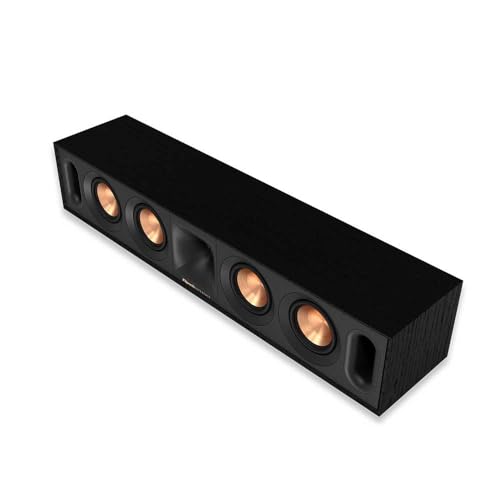
- 90° x 90° Tractrix horn for controlled dispersion
- LTS aluminum tweeter supports detailed sound
- Slim cabinet with magnetic grille
Best For: Dialogue-focused home theater setups
Compact Vocal-Reproduction Pick

- 2-way, 3-driver center-channel design
- High-precision tweeter for vocal reproduction
- Compact cabinet for smaller spaces
Best For: Compact Sony-centered home theaters
Balanced Starter-System Value
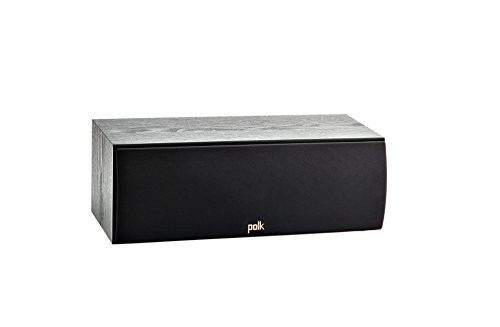
- Dual 5.25-inch woofers for full-range sound
- 1-inch silk dome tweeter supports crisp dialogue
- Timbre-matched to Polk T-Series speakers
Best For: First home theater systems and Polk setups
Premium High-Output Dialogue Anchor

- Larger Tractrix horn for crisp dialogue
- Four 5.25-inch Cerametallic woofers
- Braced cabinet with premium finish
Best For: Large home theaters and powerful Klipsch systems
Precision Dialogue Pick

- Dual 5-inch woven glass-fiber drivers
- Clear neodymium tweeter
- Wall-mountable wood cabinet
Best For: Detailed dialogue and vocals in a traditional wired home theater
Best Slim Design

- Low-profile, wall-mountable cabinet
- Four 3-inch woofers and 1-inch tweeter
- Dolby Atmos and DTS:X compatible
Best For: Clear TV dialogue where space below the screen is limited
Detailed Sound Upgrade

- 5.25-inch woven-fiber drivers
- Silk-dome tweeter with off-axis dispersion
- Sealed walnut enclosure with wall mounts
Best For: Detailed dialogue across a wider home theater seating area
High-Sensitivity Dialogue Pick
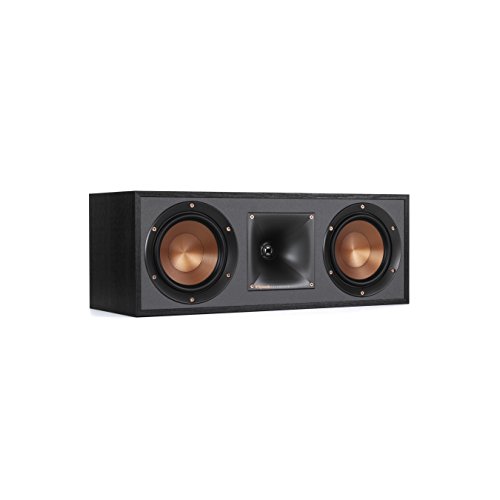
- 90° x 90° Tractrix horn for focused vocal presentation
- Dual 5.25-inch spun-copper IMG woofers
- 95 dB sensitivity with listed 400-watt power handling
Best For: Efficient, lively home theater dialogue
Premium Detail Choice

- Larger 90° x 90° hybrid Tractrix horn
- Vented 1-inch LTS titanium tweeter
- Cerametallic woofers with furniture-grade finish
Best For: Premium home theater dialogue and detailed sound
Compact Wide-Coverage Value

- 2.5-way crossover supports off-axis dialogue clarity
- Dual 4-inch woofers with 1-inch silk dome tweeter
- Wall brackets and gold-plated binding posts included
Best For: Compact systems with multiple listening positions
Horn-Loaded Dialogue Specialist – Klipsch R-30C
The Klipsch R-30C is a strong choice among center channel speakers for clear dialogue, using a 90° x 90° Tractrix horn, an LTS aluminum tweeter, and tapered array crossovers to improve vocal detail and dispersion. Its slim, modern cabinet is designed for tabletop home-theater placement.
Best For: Viewers who want focused dialogue clarity, wide high-frequency dispersion, and a polished center speaker for a TV or projector setup.
Pros:
- 90° x 90° Tractrix horn helps control directivity across a wider frequency range.
- LTS aluminum tweeter is designed to reduce distortion and improve detail.
- Tapered array crossovers support clearer midrange definition for dialogue.
- Low-profile magnetic grille and hidden fasteners create a clean appearance.
Cons:
- Its 25.98-inch width may require substantial shelf or cabinet space.
- Wired connectivity means it needs speaker wire and a compatible receiver.
Choose the R-30C if dialogue intelligibility and controlled dispersion are priorities. Its 3.5-inch woofers favor a streamlined design, while the horn and tweeter handle the vocal detail central to movie and TV sound.
Compact Vocal-Reproduction Pick – Sony SS-CS8M2
The Sony SS-CS8M2 is a practical option among center channel speakers for clear dialogue, combining a high-precision tweeter with two 3.94-inch woofers in a 2-way, 3-driver design. Its compact footprint makes it suitable for smaller entertainment spaces.
Best For: Small-room home theaters and Sony-based systems that need a compact center speaker with faithful vocal reproduction.
Pros:
- High-precision tweeter is designed for faithful vocal reproduction.
- Two 3.94-inch woofers provide added low-frequency support.
- Bass-reflex enclosure is intended to produce low-frequency sound with reduced distortion.
- Compact design works well in smaller spaces.
Cons:
- Its 16.93-inch width may offer less room-filling output than larger center speakers.
- Designed as a single wired center speaker, so a compatible receiver is required.
The SS-CS8M2 makes the most sense when space is limited or when matching Sony CS speakers and AV receivers. Its dedicated tweeter and three-driver layout emphasize intelligible voices without requiring a large cabinet.
Balanced Starter-System Value – Polk Audio T30
The Polk Audio T30 is a straightforward pick among center channel speakers for clear dialogue, pairing dual 5.25-inch woofers with a 1-inch silk dome tweeter for a rich midrange and crisp voices. Its rear port also supports fuller bass in movie, music, and gaming setups.
Best For: First-time home theater builders seeking an easy-to-connect center speaker with balanced dialogue and full-range sound.
Pros:
- Dual 5.25-inch woofers and a 1-inch tweeter support clear, full-range sound.
- Timbre matching with Polk T-Series speakers helps maintain consistent system character.
- Tuned rear port contributes to punchy bass and natural sound.
- Simple wired connection supports quick setup with an AV receiver.
Cons:
- The 19-inch-wide cabinet needs more shelf space than compact center speakers.
- Its 100-watt maximum output may be less suitable for very large rooms or high-output systems.
The T30 is a sensible starting point when you want clear voices without a complicated installation. It is especially appealing for owners building around Polk T-Series speakers or upgrading a basic TV sound setup.
Premium High-Output Dialogue Anchor – Klipsch RP-504C II
The Klipsch Reference Premiere RP-504C II is built for listeners who want highly articulate dialogue from a larger center channel. Its larger Tractrix horn, vented LTS titanium tweeter, four Cerametallic woofers, and braced cabinet target detail, efficiency, and powerful presentation.
Best For: Larger home theaters and listeners who want a premium, substantial center speaker with strong dialogue focus and bass capability.
Pros:
- Larger 90° x 90° hybrid Tractrix horn is designed to deliver crisper dialogue.
- Vented LTS titanium tweeter supports detailed, low-distortion performance.
- Four 5.25-inch Cerametallic woofers provide a powerful center-channel foundation.
- Braced, divided cabinet helps minimize vibration and adds a furniture-grade finish.
Cons:
- At 32.06 inches wide and 36 pounds, it requires substantial space and support.
- Its premium, large-format design may be excessive for compact rooms or basic systems.
- Wired operation requires an AV receiver and speaker connection.
The RP-504C II is the most imposing option in this group, making it a fit for systems where dialogue presence and scale matter. Confirm cabinet clearance and placement support before choosing this large center speaker.
Precision Dialogue Pick – Fluance Signature HFCW
If you want center channel speakers for clear dialogue with a warm, detailed presentation, the Fluance Signature HFCW is built around precision and vocal clarity. Its dual 5-inch woven glass-fiber drivers and neodymium tweeter are designed for home theater dialogue, vocals, and high-fidelity surround sound.
Best For: Home theater listeners who want a full-size wired center speaker with a wood cabinet and strong dialogue focus.
Pros:
- Dual 5-inch midrange drivers support an enhanced soundstage.
- Neodymium tweeter delivers clear high frequencies.
- Includes integrated keyhole wall-mounting brackets and isolation feet.
- Backed by a lifetime parts-and-labor manufacturer warranty.
Cons:
- The 16.3-pound cabinet may require sturdy placement or mounting.
- Its natural walnut finish may not suit every room.
- It uses wired, passive connectivity rather than wireless operation.
The HFCW is a strong choice when dialogue intelligibility, cabinet construction, and detailed vocals matter more than a slim profile. Its 8-ohm passive design makes it best suited to a conventional wired home theater receiver or amplifier.
Best Slim Design – Polk Monitor XT35
The Polk Monitor XT35 is a practical option for shoppers seeking center channel speakers for clear dialogue without blocking the television. Its low-profile cabinet combines four 3-inch dynamically balanced woofers with a 1-inch terylene tweeter for focused dialogue, open midrange, and compatible Dolby Atmos and DTS:X playback.
Best For: TV-centered setups where a slim, wall-mountable speaker is important.
Pros:
- Low-profile design is intended to avoid blocking the TV or IR sensor.
- Four 3-inch woofers support an open midrange and impactful bass.
- Hi-Res Audio Certified and compatible with Dolby Atmos and DTS:X.
- Can serve as a center, left, right, or surround channel.
Cons:
- The slim design uses smaller 3-inch woofers than the Fluance alternatives.
- It requires an amplifier rated within the recommended 25–200 watts per channel.
- Midnight black is the listed finish, limiting finish matching.
Choose the XT35 when placement flexibility and a discreet profile are priorities. Its 4- and 8-ohm compatibility and Polk timbre matching also make it a sensible foundation for building a coordinated Polk surround system.
Detailed Sound Upgrade – Fluance Reference XL8CW
For listeners comparing center channel speakers for clear dialogue and natural vocal reproduction, the Fluance Reference XL8CW emphasizes a detailed, balanced presentation. Its 5.25-inch woven-fiber drivers, silk-dome neodymium tweeter, sealed walnut enclosure, and optimized crossover are designed to preserve dialogue clarity across the home theater seating area.
Best For: Home theater users who want a larger, sealed center speaker with broad off-axis clarity.
Pros:
- Woven-fiber drivers are designed for controlled, detailed midrange reproduction.
- Silk-dome tweeter provides crisp highs and spacious off-axis dispersion.
- Sealed wood enclosure supports flexible placement and a listed 110Hz–20kHz range.
- Includes integrated keyhole wall-mounting brackets and a lifetime warranty.
Cons:
- Its 18.5-inch width and 6.9-inch height may be challenging for compact TV stands.
- The 15-pound cabinet needs adequate shelf or wall support.
- It is a passive, wired speaker and requires an amplifier or receiver.
The XL8CW is the most substantial option here for listeners who value controlled midrange and off-axis consistency. Confirm your available space and amplifier compatibility before choosing this wider walnut-finish center channel.
High-Sensitivity Dialogue Pick – Klipsch R-52C
For shoppers comparing center channel speakers for clear dialogue, the Klipsch R-52C emphasizes efficient, room-filling performance with a 90° x 90° Tractrix horn and dual 5.25-inch spun-copper IMG woofers. Its 95 dB sensitivity makes it a practical match for many home theater receivers.
Best For: Home theater setups that prioritize clear, lively dialogue and high sensitivity.
Pros:
- 90° x 90° Tractrix horn with a 1-inch aluminum LTS tweeter
- Dual 5.25-inch spun-copper IMG woofers
- 95 dB sensitivity and 400-watt power handling listed
- Wood enclosure with removable grille included
Cons:
- Its 18.75-inch width may require careful placement below a TV
- Wired, corded-electric design does not provide wireless speaker operation
The R-52C is a straightforward choice when you want Klipsch’s horn-loaded presentation and strong sensitivity in a dedicated center channel. Check your available width and receiver compatibility before buying.
Premium Detail Choice – Klipsch RP-500C II
The Klipsch RP-500C II is designed for shoppers seeking center channel speakers for clear dialogue with a more premium build and feature set. Its larger Tractrix horn, vented titanium tweeter, and updated Cerametallic woofers are aimed at detailed, low-distortion home theater sound.
Best For: Home theater owners who want a premium Klipsch center speaker with detailed dialogue and strong design appeal.
Pros:
- Larger 90° x 90° silicone composite hybrid Tractrix horn
- 1-inch vented LTS titanium diaphragm tweeter
- Updated Cerametallic woofers and Tractrix port design
- Furniture-grade finish and magnetic removable grille
Cons:
- At 18 pounds, it is heavier than the other listed options
- Its 10.58-inch depth may need substantial shelf space
- Uses a wired single-binding-post connection
With its premium materials, larger horn, and vented tweeter housing, the RP-500C II is positioned as the performance-focused option here. Its deeper cabinet and higher-end construction make placement planning especially important.
Compact Wide-Coverage Value – Dayton Audio Classic C40
The Dayton Audio Classic C40 is a compact option for shoppers looking for center channel speakers for clear dialogue across more than one listening position. Its 2.5-way crossover independently manages the dual woofers to support off-axis vocal clarity, while the sealed cabinet targets controlled bass response.
Best For: Compact home theater systems needing wider dialogue coverage and flexible placement.
Pros:
- 2.5-way crossover designed to improve off-axis dialogue clarity
- Dual 4-inch poly woofers and 1-inch silk dome tweeter
- 6-ohm impedance with 50W RMS and 100W maximum power handling
- Includes keyhole wall-mounting brackets and gold-plated binding posts
Cons:
- Its smaller woofers may offer less scale than the Klipsch alternatives
- Requires a compatible amplifier or home theater receiver
- Passive wired design has no wireless communication
The C40 stands out for its compact cabinet, wall-mounting hardware, and crossover designed around off-axis dialogue clarity. It is a sensible fit when space and broad seating coverage matter more than maximum cabinet size.
How We Picked the Best Center Channel Speakers for Clear Dialogue
We focused on the qualities that matter most when shopping for Center Channel Speakers for Clear Dialogue: vocal intelligibility, driver and cabinet design, sensitivity, power handling, placement flexibility, and compatibility with common AV receivers and surround formats. We also included a range of sizes and prices so you can match a speaker to a compact living room, a large media room, or a more demanding home theater.
Brand consistency is another consideration. Whenever possible, a center speaker should have a similar tonal character to the left and right front speakers, especially if all three are used for panning effects and on-screen voices.
Quick Comparison
- Best for maximum output: Klipsch Reference Premiere RP-504C II and RP-500C II.
- Best for compact setups: Polk Monitor XT35 Slim and Klipsch Reference Next-Generation R-30C.
- Best budget-friendly choices: Sony SS-CS8M2, Polk Audio T30, and Klipsch R-52C.
- Best alternatives for detailed vocals: Fluance Signature HiFi, Fluance Reference, and Dayton Audio Classic C40.
Key Buying Factors for Center Channel Speakers for Clear Dialogue
Driver Layout and Vocal Detail
Dialogue clarity depends on more than the number of drivers. Dedicated midrange drivers, well-designed woofers, and a controlled tweeter can reproduce speech with better presence and less muddiness. Two-way and 2.5-way designs may also reduce interference between drivers across the vocal range.
Size, Placement, and Screen Position
Measure the space below or above your TV before buying. A wide speaker may deliver greater scale but can block the screen or require a larger shelf. Slim models are easier to place in low cabinets, while larger cabinets generally offer more headroom and fuller lower midrange. Keep the speaker aimed toward ear level when possible.
Power, Sensitivity, and Room Size
For small and medium rooms, most listed models can work with a capable AV receiver. Larger rooms or high-volume listening benefit from higher sensitivity and greater power handling, which help the speaker produce clean dialogue without strain. Check your receiver’s impedance and recommended power range before connecting it.
Timbre Matching and Surround Compatibility
Dolby Atmos and DTS:X compatibility is primarily determined by the receiver and overall speaker system, not the center speaker alone. The more important match is tonal balance with your front left and right speakers. Staying within the same product family is usually the safest approach.
Who Should Buy Which Center Channel Speakers for Clear Dialogue?
Choose the Klipsch RP-504C II or RP-500C II if you want strong dynamics, high output, and a more premium center channel for a larger or enthusiast-focused system. Choose the Polk Monitor XT35 Slim if cabinet clearance is limited but you still want a broad, modern center speaker.
Choose the Sony SS-CS8M2 or Polk T30 for an affordable upgrade to a basic TV or entry-level surround setup. Choose the Klipsch R-52C or R-30C if you prefer an efficient, lively presentation that pairs well with compatible Klipsch front speakers.
Choose Fluance or Dayton Audio if you prioritize a more traditional hi-fi presentation and want to compare alternative cabinet and driver designs. Before ordering, confirm the speaker’s dimensions, finish, mounting location, and tonal match with your existing front-stage speakers.